
Press
Logos, press photos at print resolution and the press contact.
Omakase
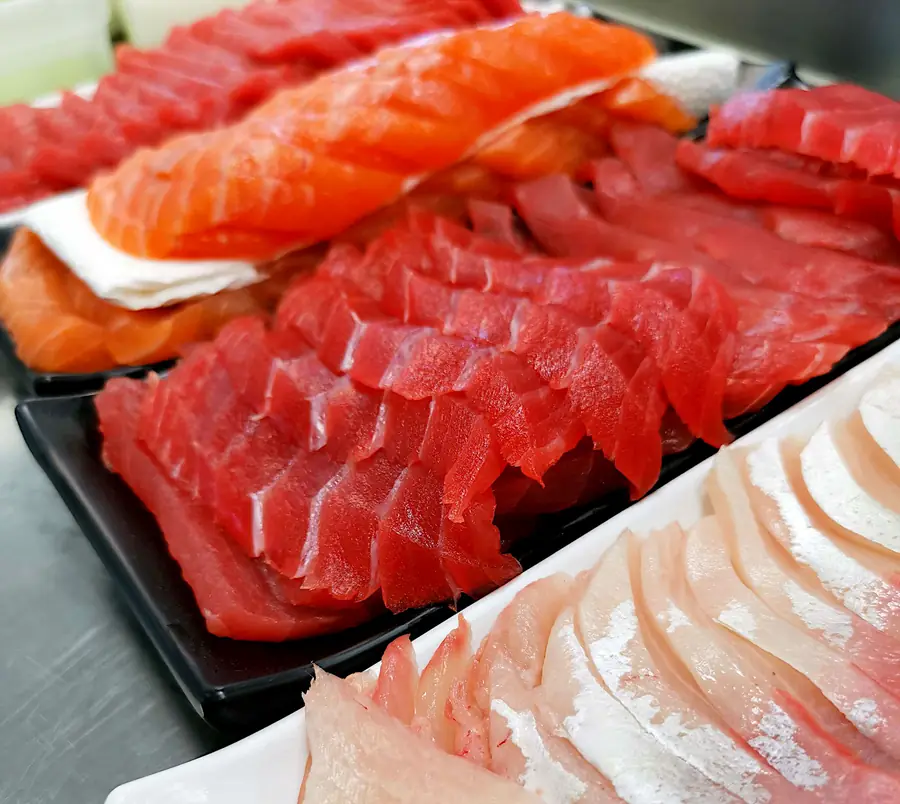
Omakase is a game with expectations. The guests give up the choice. The chef knows the market of the day and knows what is best right now. The chef wants the best for the guests. And may surprise them now and then.
What omakase means
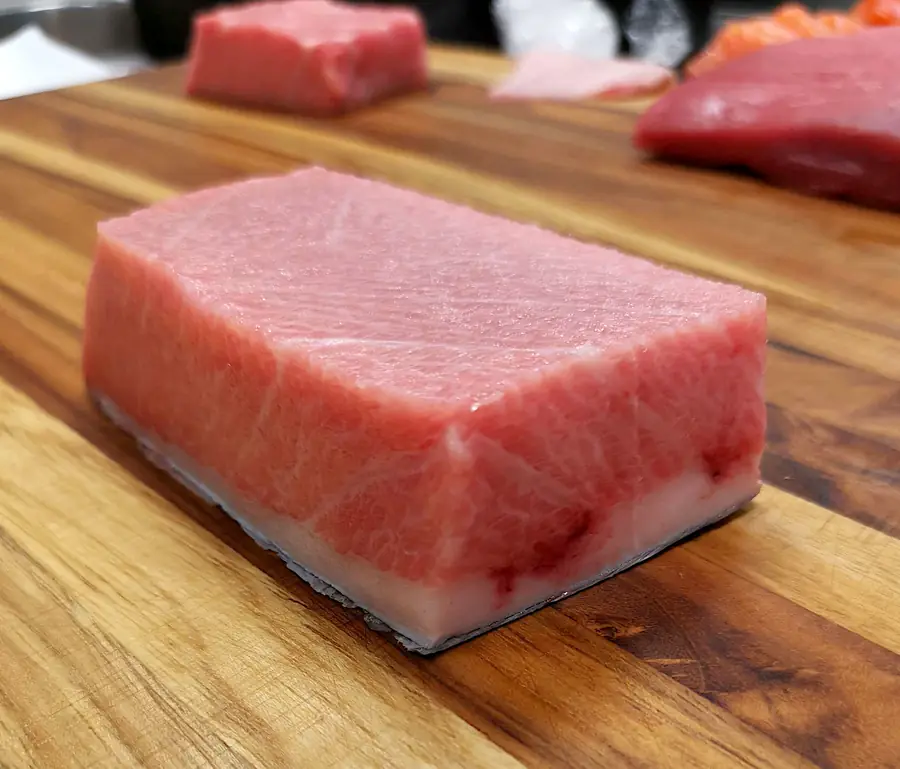
In Japan two to six guests sit down at the counter and say: omakase. The chef decides, piece by piece, by what the market gave up today and by what he observes in his guests. They expect surprise and get competence. For us this is live cooking at its finest concept.
We carry that trust over to an event with many guests. The quality of an omakase, condensed in its variety, which keeps the service quick. The selection is agreed in advance against the number of guests and the budget. On the night it runs across the counter in a steady flow. The chef sees what is being eaten and composes accordingly. Anyone with a wish says so at the counter.
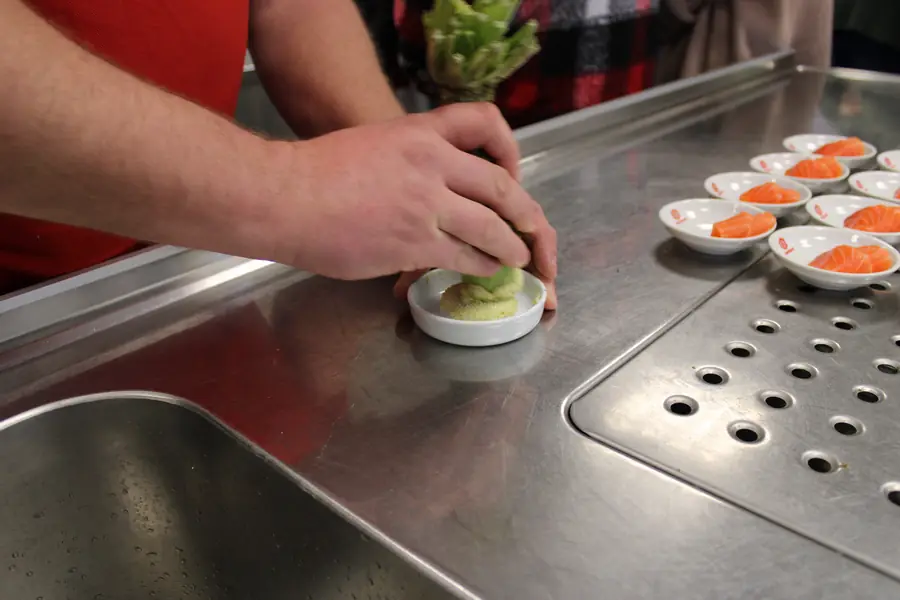
Real wasabi has to be grated from the root à la minute. Its aroma lasts only minutes. Grassy and herbal, with a clear sweetness. Foamy and soft in texture. The heat rises into the nose instead of burning on the tongue, and it is gone again quickly.
Where the goods come from
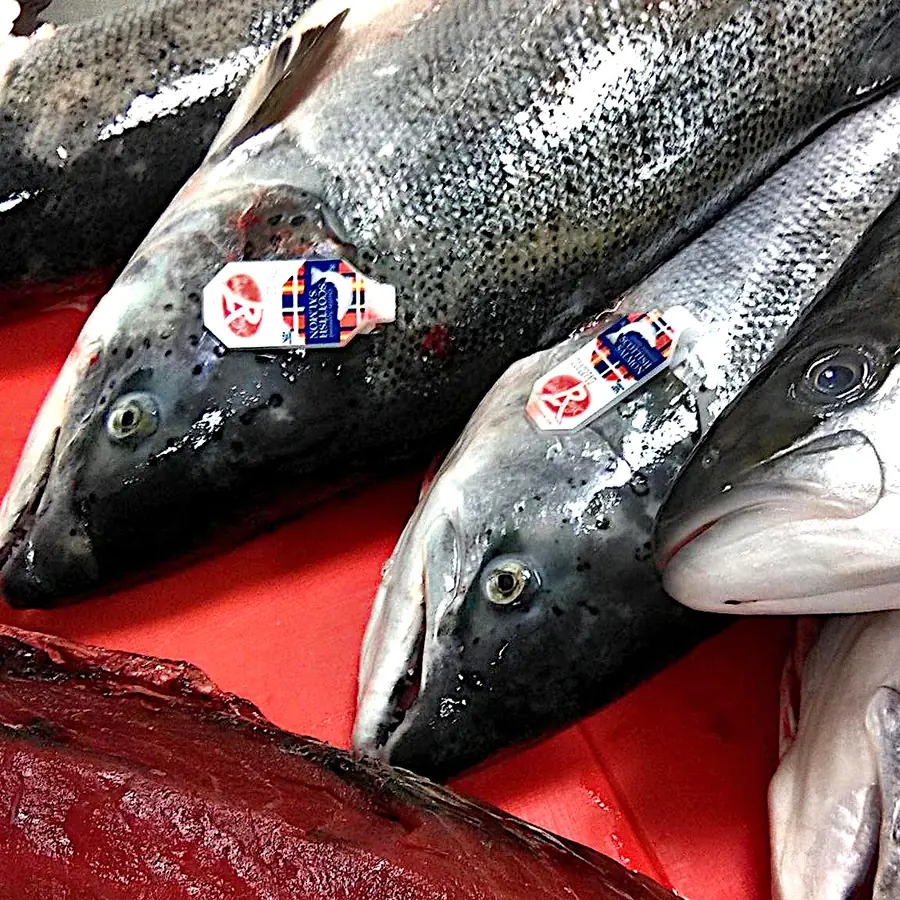
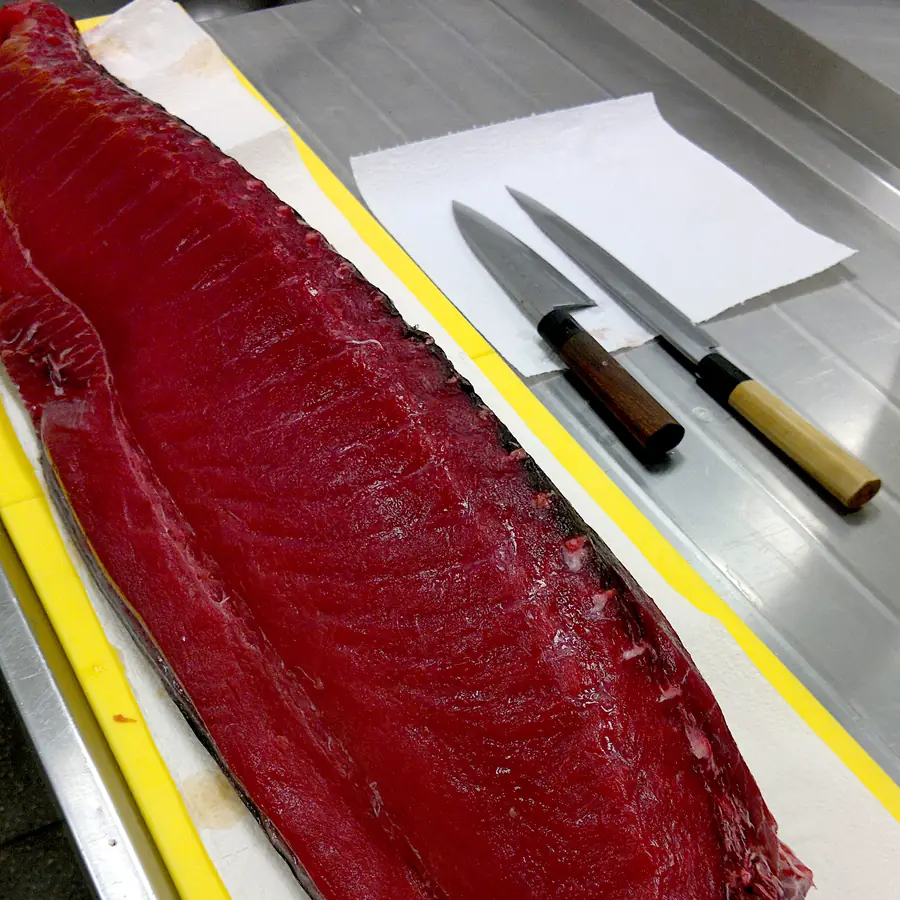
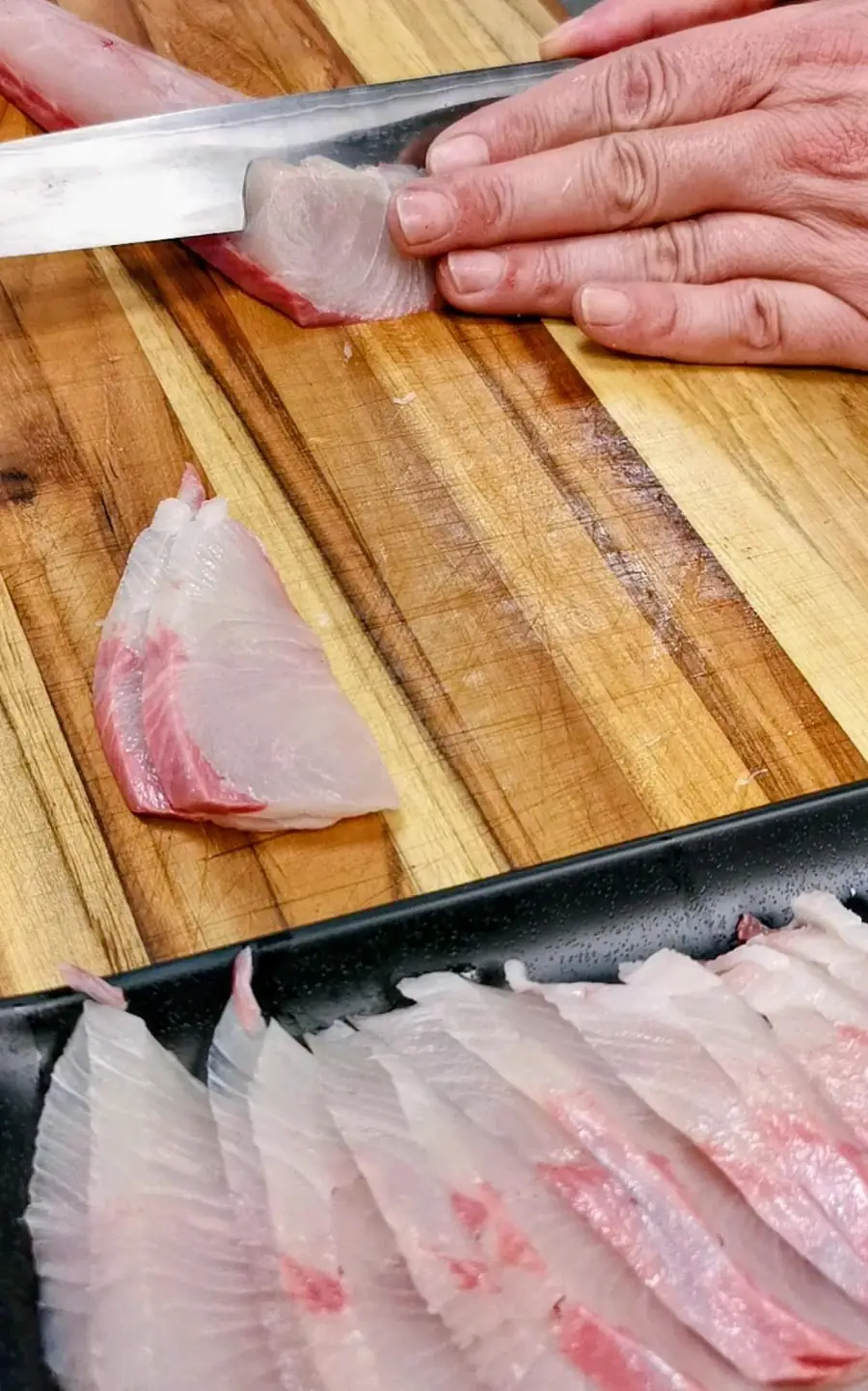
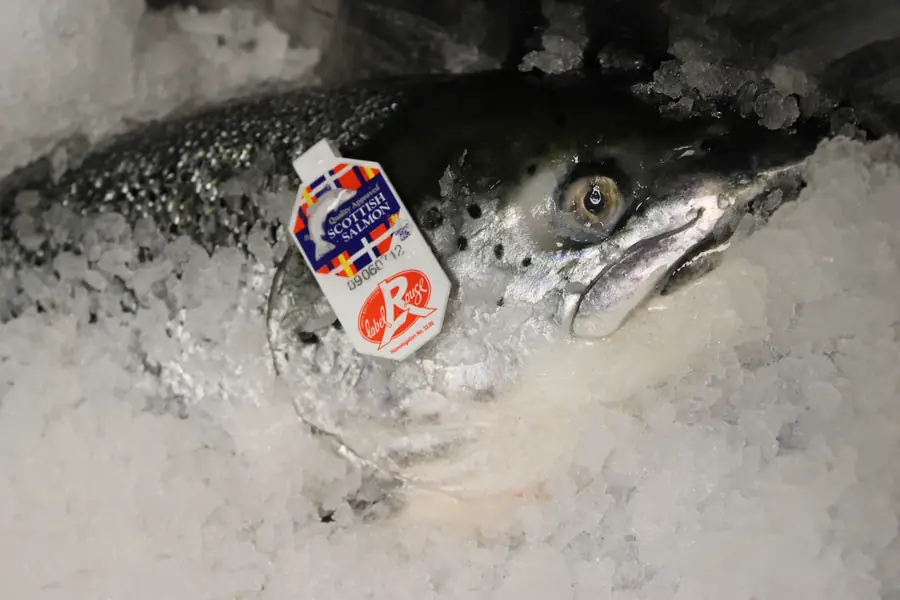
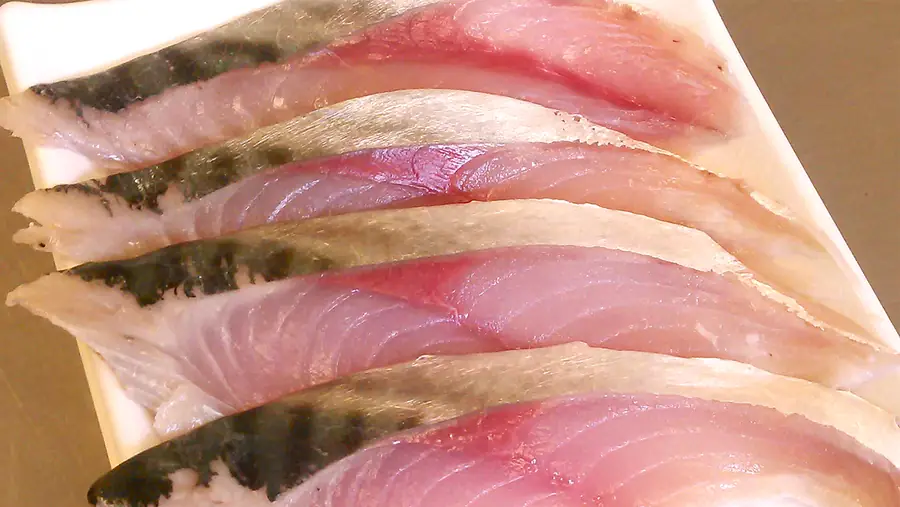
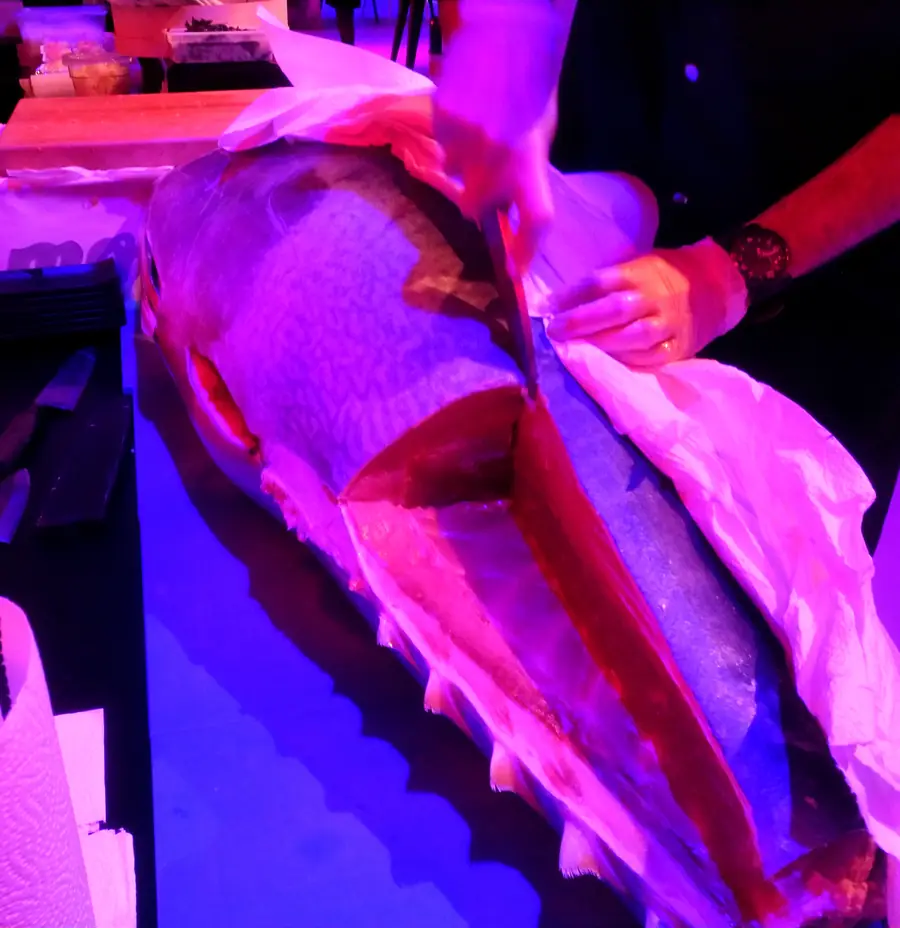
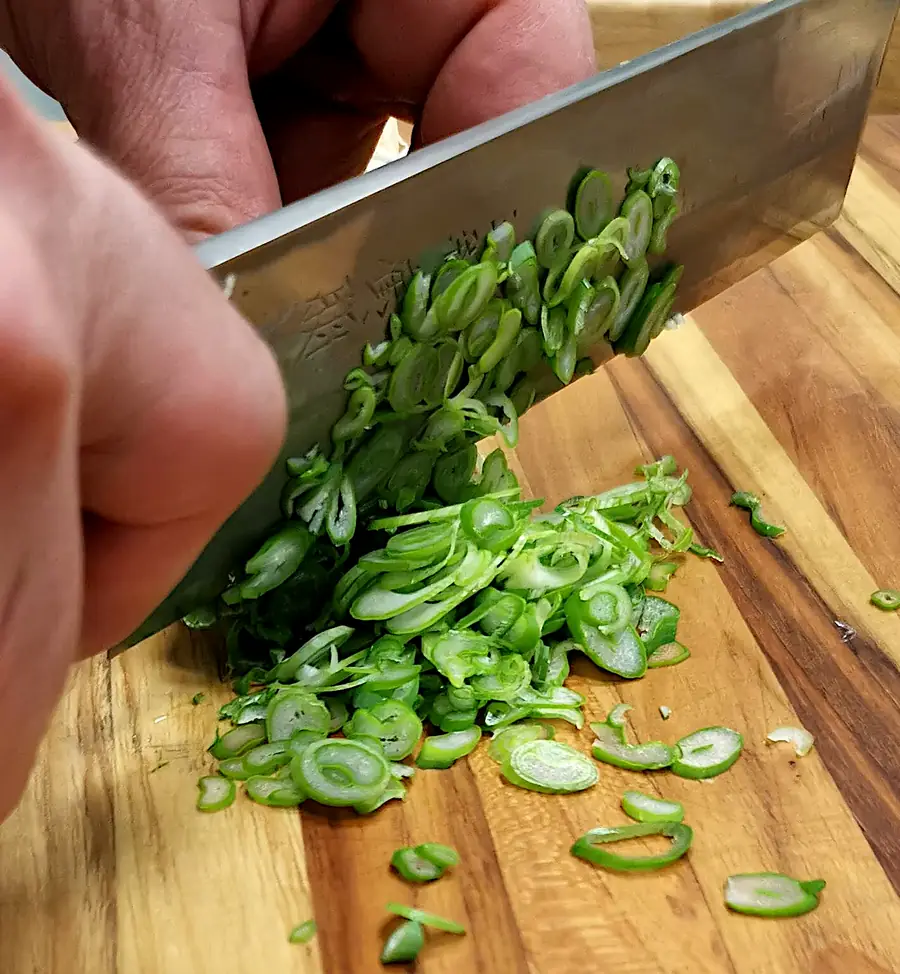
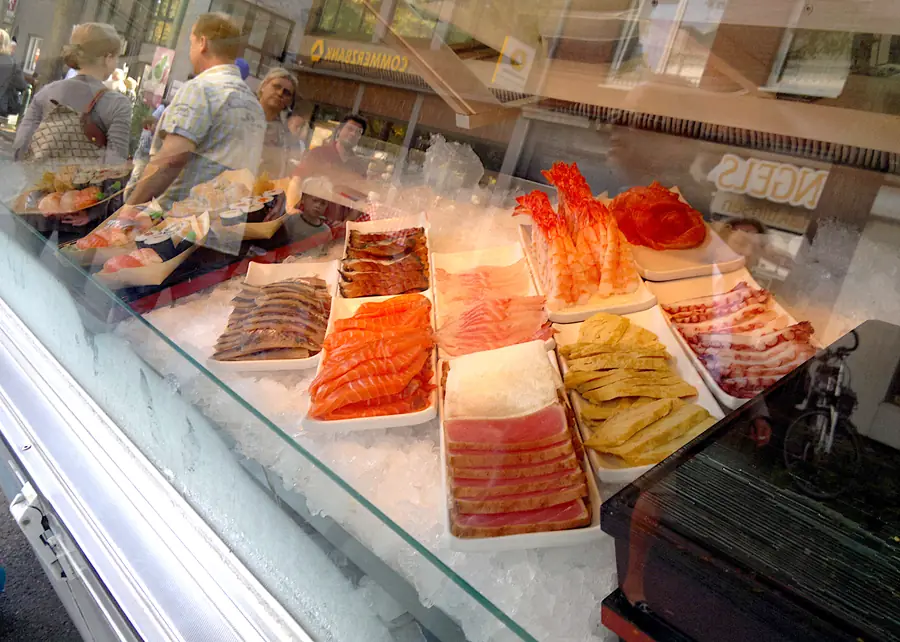
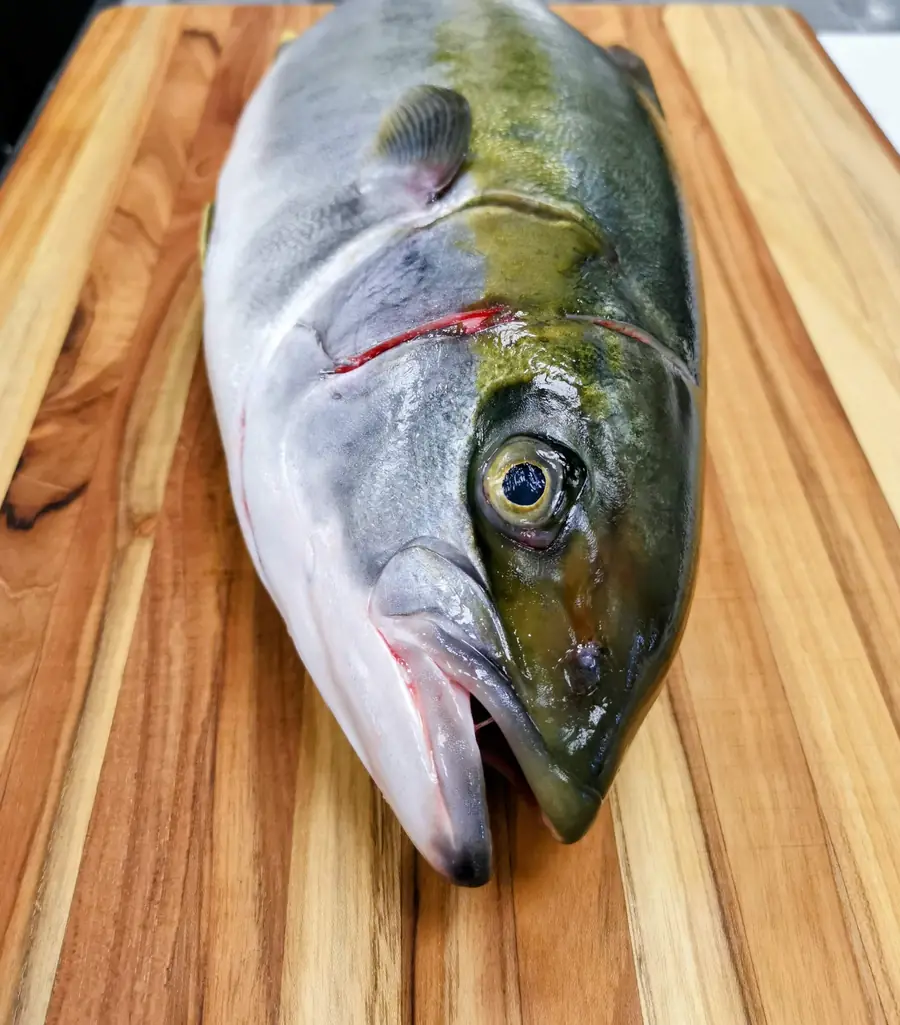
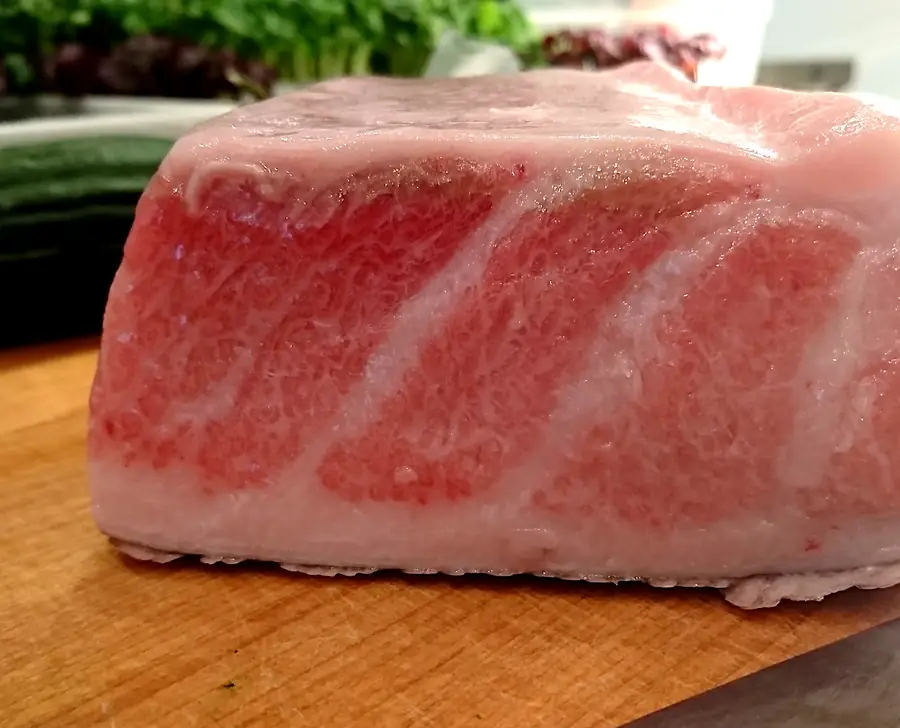
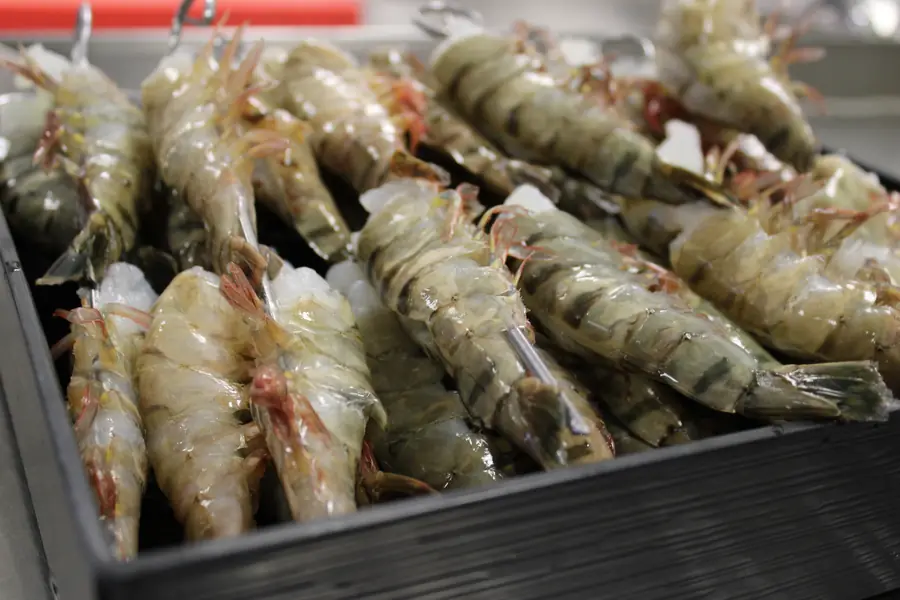
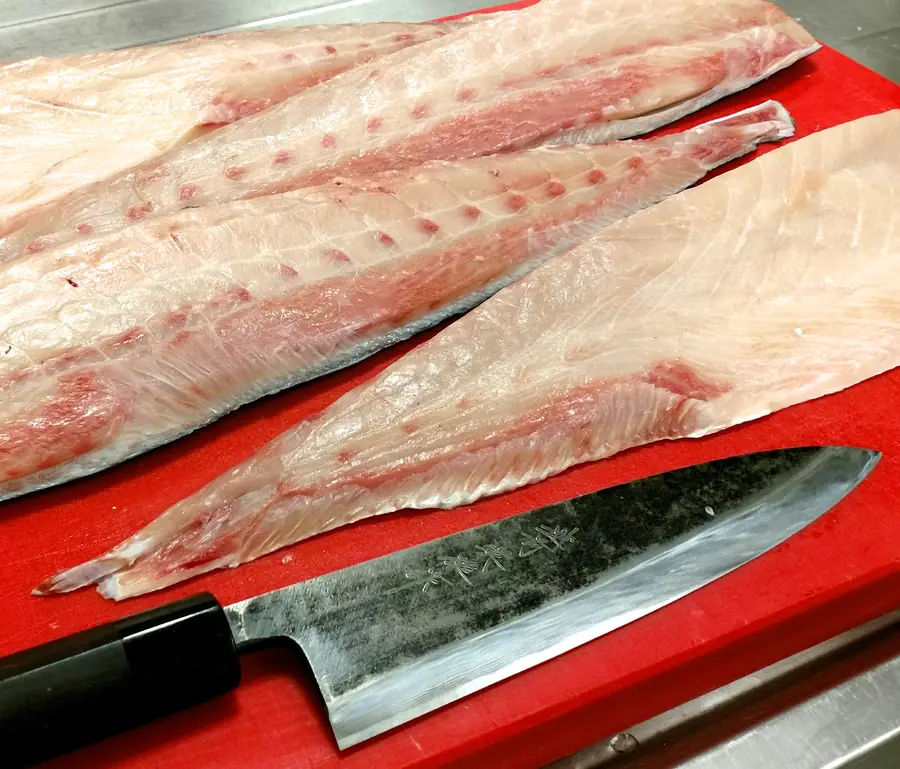
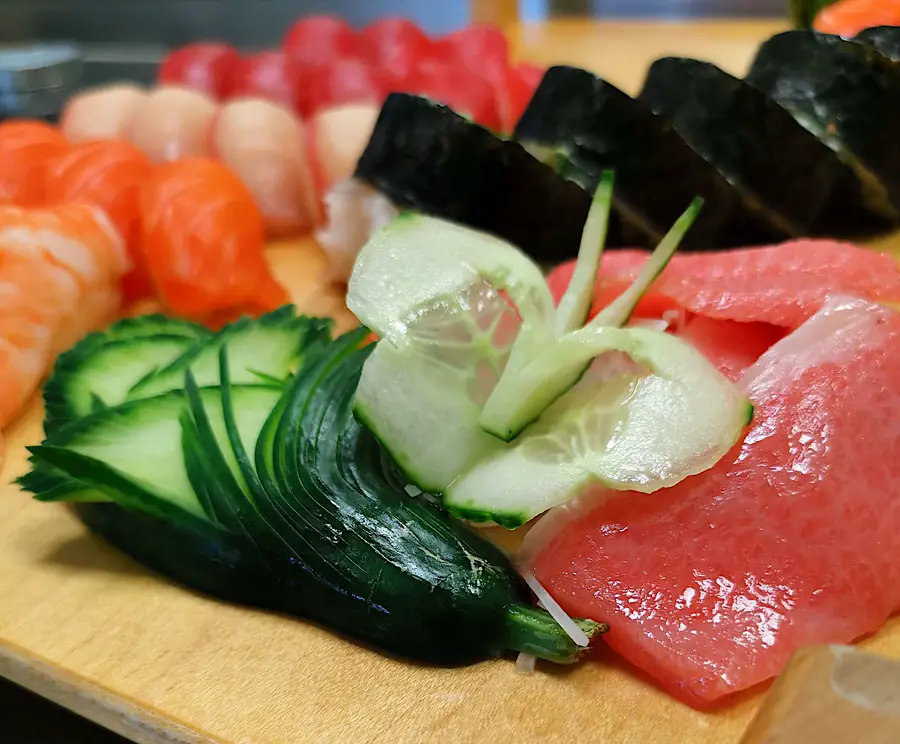
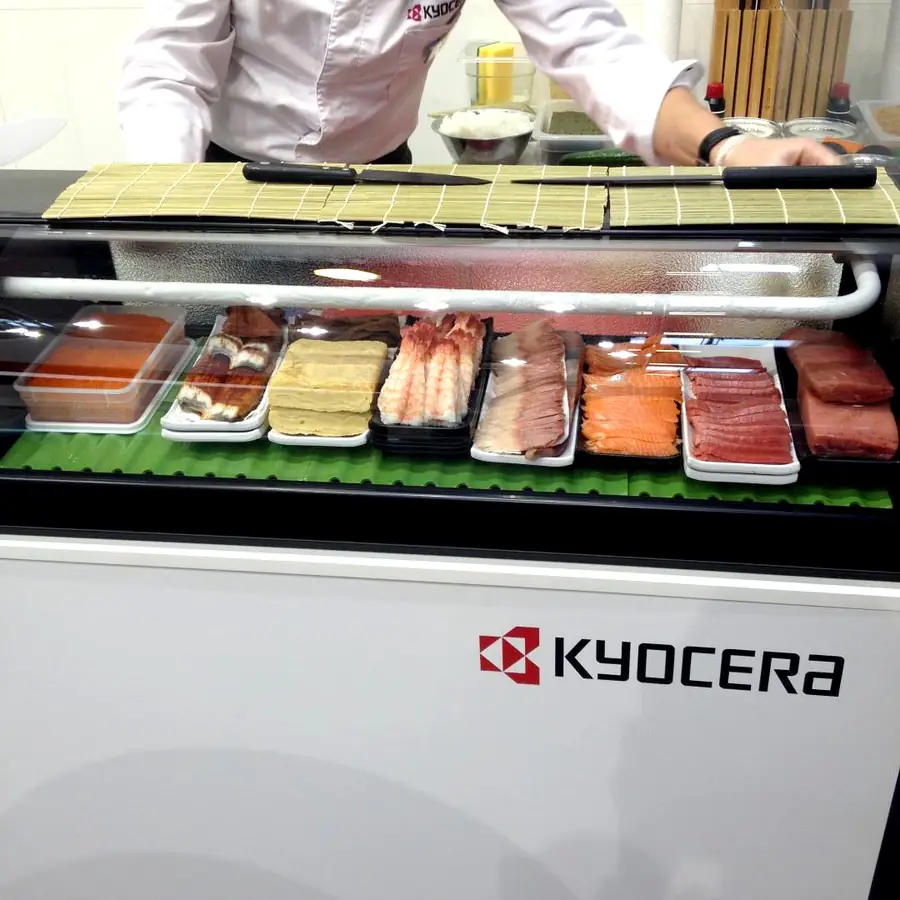
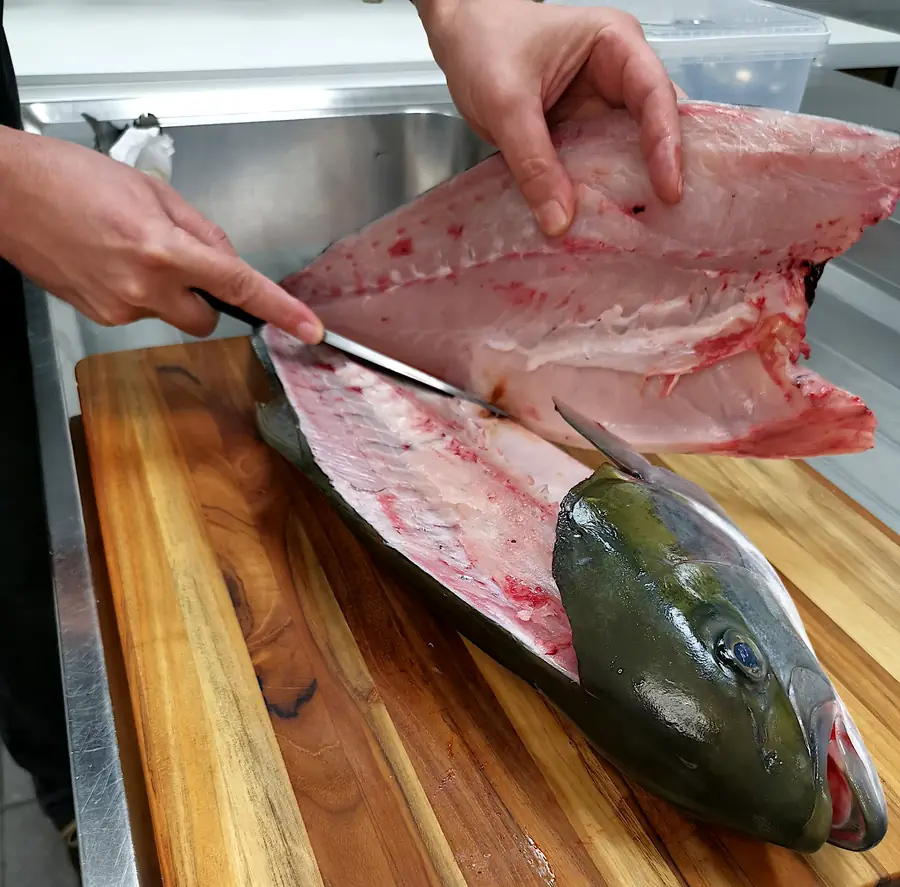
The fish comes from the Rungis market outside Paris, at your counter within 48 hours, and the Scottish salmon carries the Label Rouge. The vegetables come from Bio-Früchte Hahn, a family business. Their avocados, papayas and mangoes come mostly from smallholders in Andalusia, and they grow part of it themselves. Salads and herbs come regionally from a Demeter farm in Velbert. No surimi, ever. All Japanese: no cheese course, no European crossover.
We take the German word for food, Lebensmittel, literally: a means to live. That means the pleasure of it, and it means the strength that sits in good ingredients.
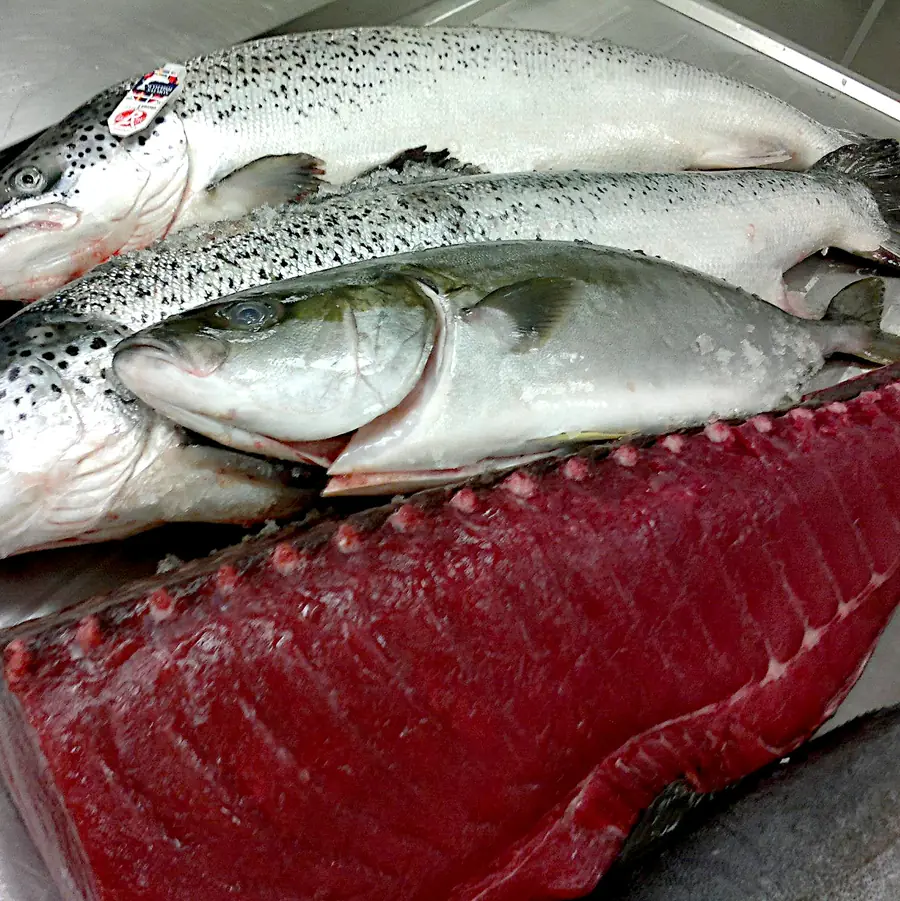
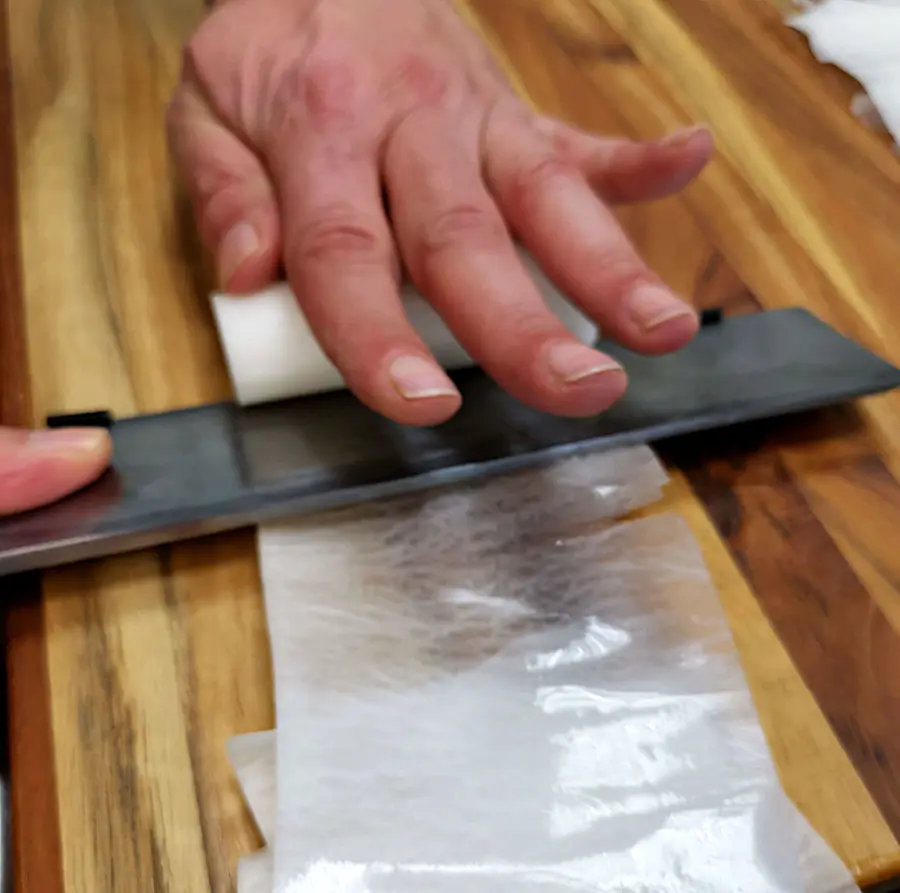
Fish, vegetables, and what becomes of them
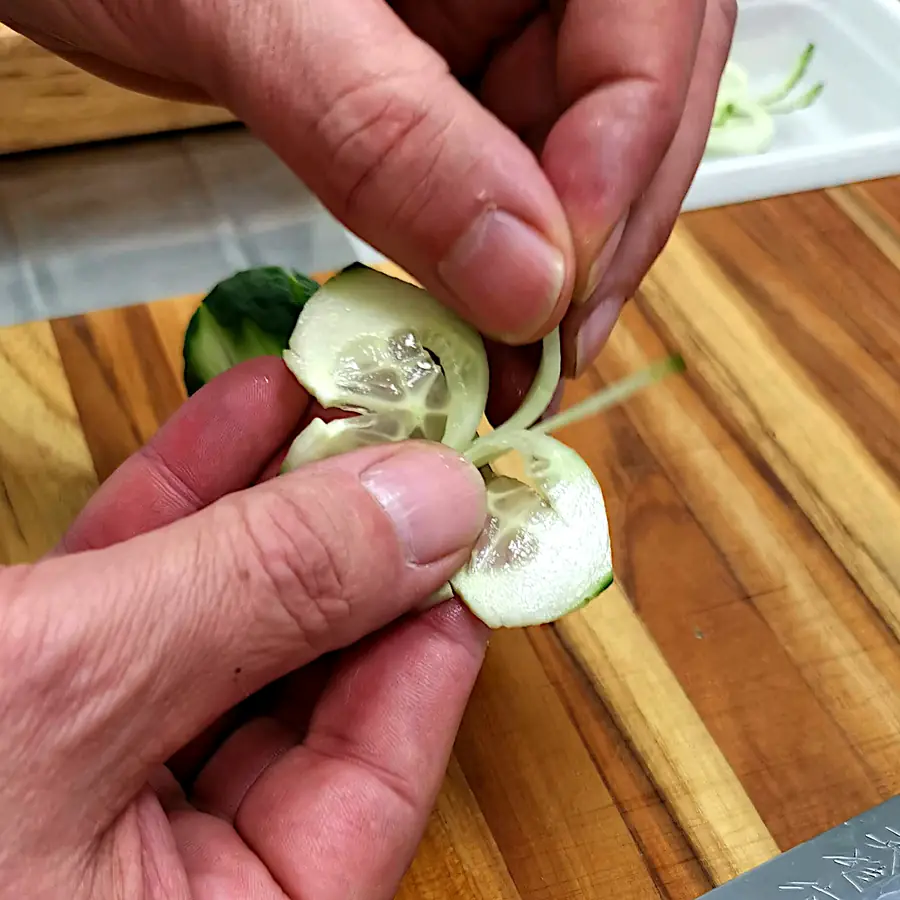
What goes through our hands before it goes across the counter.
One contact, an answer the way you prefer
Tell us what you are planning. Two minutes is enough.
About the menu
The selection is agreed in advance. On the night the chef decides order and quantity by what is being eaten. Requests at the counter are welcome.
They get seared or fried versions. Vegetarians and vegans get a selection of their own.
Not long. The preparation is planned around the moment of serving, even for large groups.
Gari is eaten between varieties, not on the sushi. It resets the palate for the next piece.
In one bite, as fresh as possible. And upside down: the neta faces the tongue. Sauce goes on the fish only, never on the rice. Sauce on the rice loosens it and the piece falls apart.
Yes, per variety. It comes with the quote on request.
Pages that are not in the menu
Logos, press photos at print resolution and the press contact.
Why the logo is built like a nigiri and sits on an edge.
What 望鮨 means and who painted it in 2006.